
September 7, 2026
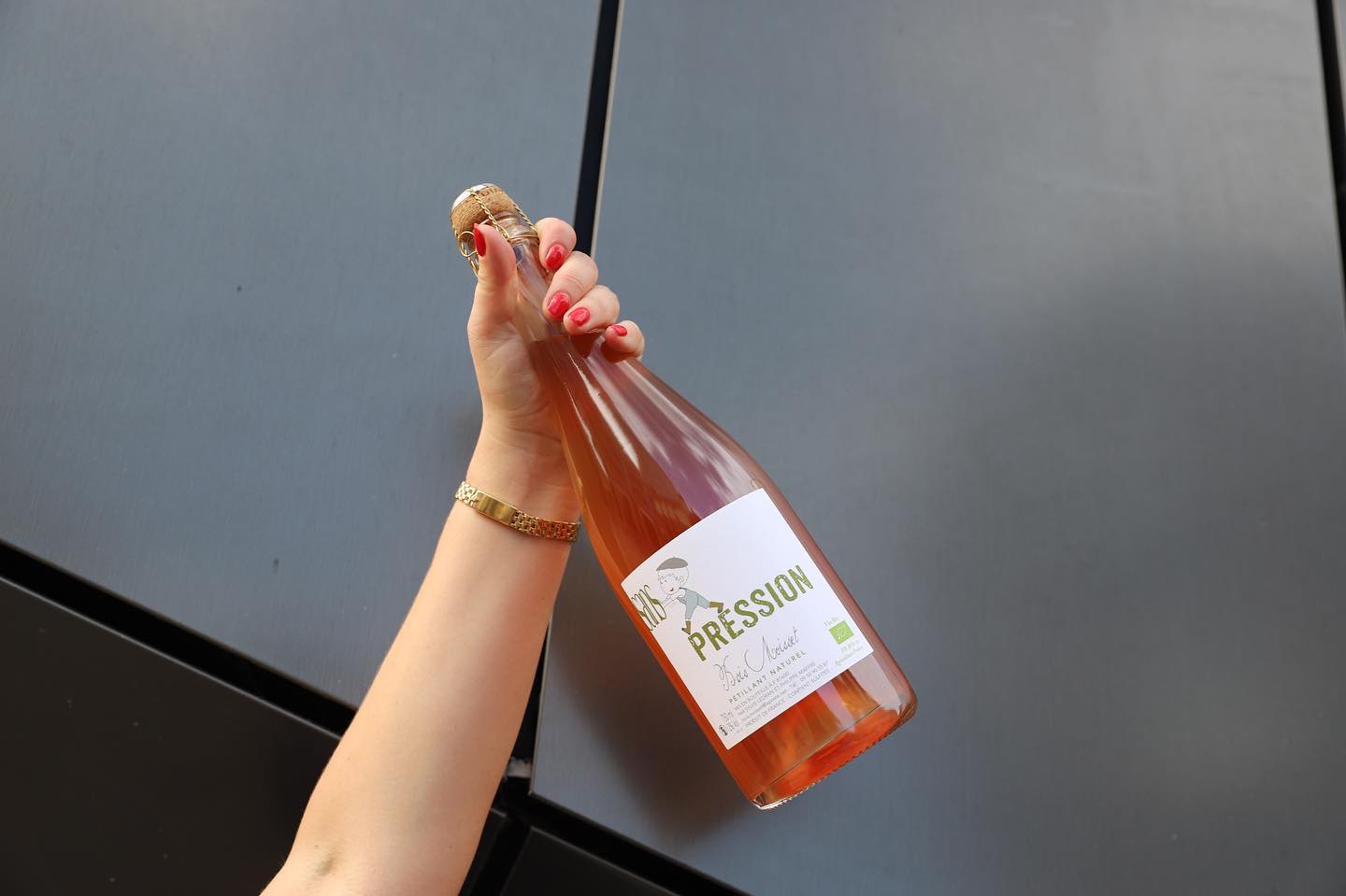
Orange wine has become one of the defining stories in London's orange wine drinking culture. It's a style, an old one, and it's found a natural home on the rotating wine list at Bar Crispin.
Orange wine is white wine made the way red wine is made. Instead of pressing white grapes and removing the skins straight away, the winemaker leaves the juice in contact with the skins, and sometimes the stems and pips, for days or weeks.
That contact is where the colour comes from. Depending on the grape and the length of maceration, the resulting wine can sit anywhere from pale gold to deep amber, which is why you'll also hear the style called amber wine.
It also explains the texture. Skin contact pulls tannin and grip into the glass, giving orange wine a structure closer to a light red than a crisp white.
The skin-contact method isn't a modern invention dressed up as a trend. It's roughly 8,000 years old, first practised in Georgia, where winemakers fermented grapes, skins included, in large clay vessels called qvevri buried underground.
Those qvevri kept temperatures steady through fermentation and allowed the wine to sit on its skins for months at a time. Some Georgian producers still work this way today, using the same techniques their families have passed down for generations.
The word "maceration" gets used a lot around orange wine, so here's the plain version: it just means letting the skins sit in the juice.
The length of that soak shapes everything about the final bottle. A few days gives a wine with a faint blush of colour and only a hint of grip.
Most orange wine producers who work this way also lean towards low-intervention winemaking more broadly. Minimal filtering, so the wine sometimes arrives with a gentle haze rather than perfect clarity.
This is the question our team gets asked most, and it's a fair one, because orange wine tastes like very little else on a standard wine list.
Expect notes of dried apricot, orange peel, bruised apple, and something faintly nutty, alongside a savoury, almost tea-like quality that white wine drinkers don't usually expect. There's often a textural grip on the finish, that same tannin you'd notice in a light red.
No two orange wines taste alike, which is part of the fun. A skin-contact Ribolla Gialla from Friuli behaves nothing like a Georgian Rkatsiteli, and a young example from a two-day maceration will taste worlds apart from one that's spent six months on its skins.
Orange wine's structure gives it an unusual amount of range at the table. Because it carries the weight and tannin of a light red but the acidity of a white, it works with dishes that trip up more conventional wines.
It's also, in our experience, one of the better wines to pair with a full sharing spread, the kind where four or five dishes hit the table at once, and no single wine could suit them all. Orange wine tends to find something to say to most of them.
Orange wine sits alongside the whites and reds because, in practice, that's exactly where it belongs, a wine that can hold its own with a plate of grilled vegetables just as easily as a board of charcuterie.
Our wine list at Bar Crispin changes with the seasons, so the specific producers and bottlings on offer shift throughout the year. What stays consistent is the commitment to low-intervention, small-producer wines with a genuine sense of place, the same philosophy that runs through our drinks programme at Spitalfields.


